How to Prepare for Backpacking Europe

You've decided to take a leap and backpack Europe. Excited, frantic, and eager, it may be hard knowing where to start planning the upcoming journey. What country do you start in? How many pairs of underwear should you pack? Do you really need a sleeping pad?
All of these questions are common for those planning, and it's important not to over-stress about a trip before it even begins. To help ease the panic, I've created a list to help prepare travelers for a trip of a lifetime.
Find your backpack
Backpacks and travelers come in all shapes and sizes. Since you will be carrying it on you back for the entire duration of your trip, it's important to find the perfect fit. Women should stay around the size of 40L to 60L and men should shoot for 60L to 80L. A fully packed 45L backpack will weigh around 30lbs.
Most importantly, don't overestimate the size you need. When traveling for extended periods of time you want to carry as little as possible.
Don't depend on hostels and Couchsurfing
Although great ways to travel cheap, these aren't exactly the best options for backpacking Europe. The best way to see the country remains the original way: camping.
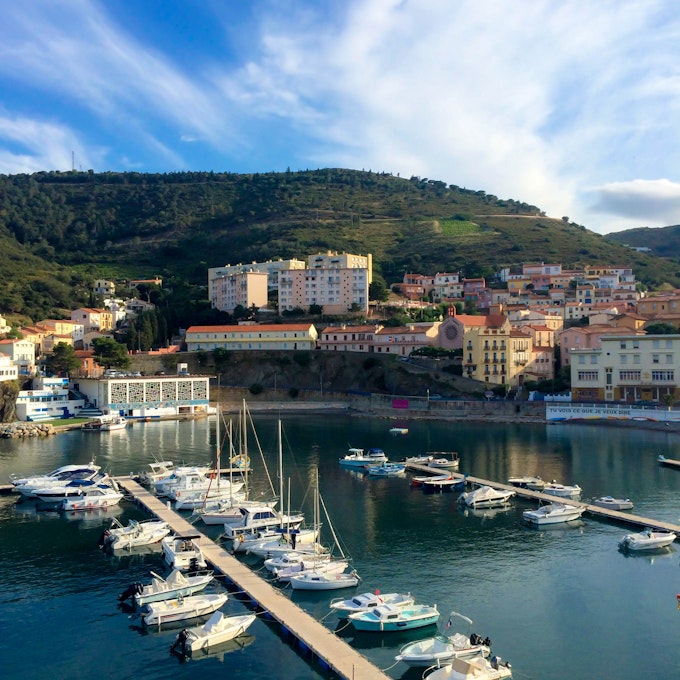
Hostels in Western Europe (France, Switzerland, United Kingdom) are usually quite pricey and will quickly drain a backpackers budget. Plus, they keep you mainly in big cities. If you only visit Paris, Rome, and Athens, you might come home disappointed. The best of Europe remains hidden in small towns and mountain villages.
European Couchsurfing hosts are overwhelmed by the growing popularity. Hosts in big cities often book their surfers 2-3 months in advance and can receive dozens of requests a day.
Sure, by camping there is a solid chance that you won't shower every day (or every three days), but that's just part of the fun.
Leave the luxuries at home
To answer the questions above, you do not need a sleeping pad. Limited space means making difficult decisions on what will come along on the trip. Only pack the basics:
- A few essential items of clothing
- A small toiletry bag
- Sleeping bag
- Two-person tent
- An external battery
- Camera/phone
- Flashlight
- Travel journal
- Power adapters
- One pair of hiking shoes, and one pair of relaxation shoes
Remember that you can always buy clothing overseas, the high heel shoes aren't worth the space and weight, and a pile of clothes will work just fine as a pillow.
Throw out your planned itinerary
The best way to plan for a backpacking trip around Europe is not to plan. This way, there is no set time schedule or reservations you can't cancel.
Without an itinerary you can stay in places you love longer, leave places earlier, and jump off the train at a random stop that looks pretty because you have nowhere to be. You'll find that your favorite places were the ones you never expected to visit and you'll come back with amazing stories of the insane places you randomly ventured to.
But do plan to step outside your comfort zone
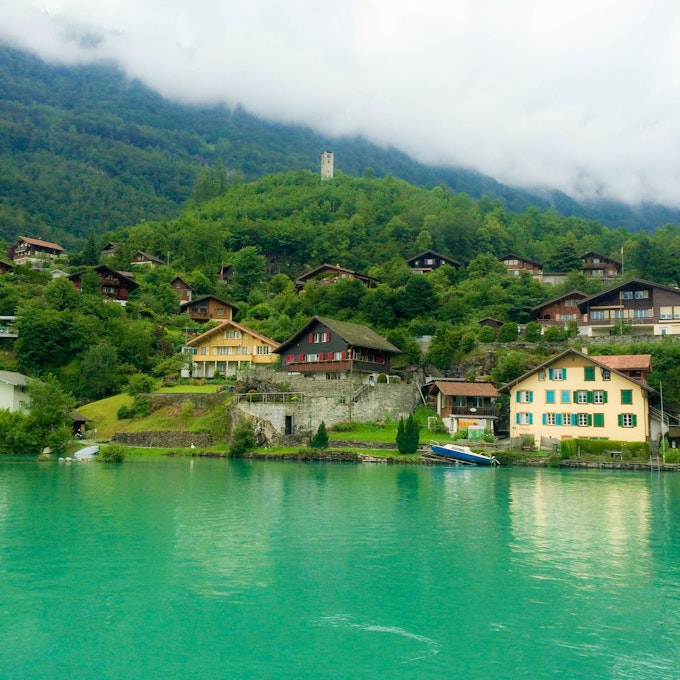
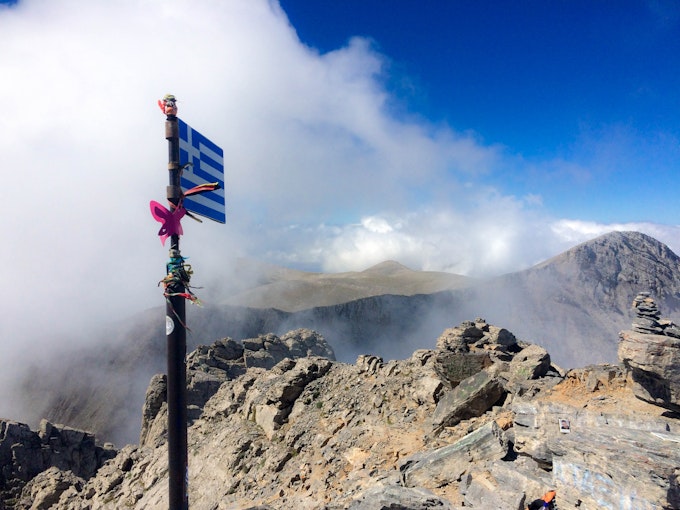
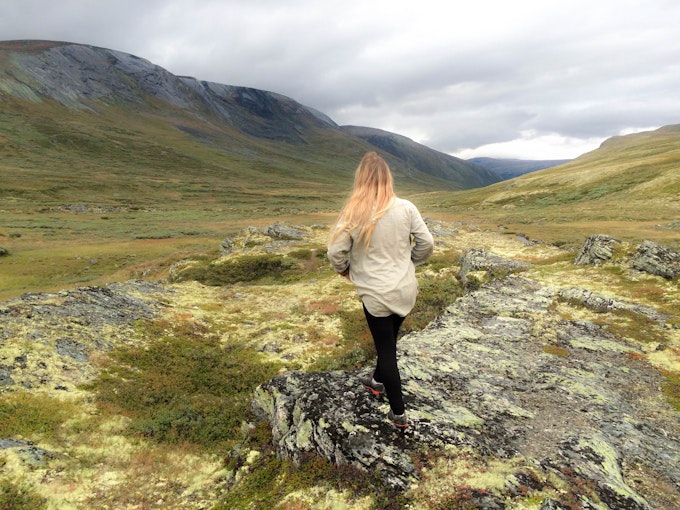
Prepare to say 'yes' to some insanely magical ideas. Like hopping off the train in middle-of-nowhere Norway to hike into the Norwegian wilderness in an attempt to find a lake you saw on Google Maps. Or hiking to the top of Greece's highest mountain because there is a train strike and you're stranded in town for three days. It'll always be worth it.
Book a one-way ticket
Leave the trip open-ended. Your original plan may have included a month, but if you are having an absolute blast, don't force yourself to come home. Book your ticket 2-3 weeks before you decide to leave, when ticket prices are still relatively low.
Find adventures using The Outbound
Otherwise, you would have never known about that secret waterfall in Austria, where to park to hike Trolltunga in Norway, or that neat place to camp on the Mediterranean. The app is the perfect way to find adventures that most tourists miss. It gets you away from the crowds, connected to nature, and shows a whole other side to Europe.