How to Prepare for an Inbounds Slide

This winter has seen several deaths and injuries from inbound slides, a situation that strikes fear into those of us who ski or board.
Inbound slides, which are avalanches that occur within the boundaries of a ski resort, are rare but not impossible. Ski resorts take measures to release snowpack that is at risk of sliding, especially after big storms, but it's not a fail-safe. There are no guarantees, even within the relatively safe confines of a resort's boundaries.
What is a skier or boarder to do? Here are a few steps you can take to be better prepared for inbound slides this winter.
Wear the Right Gear
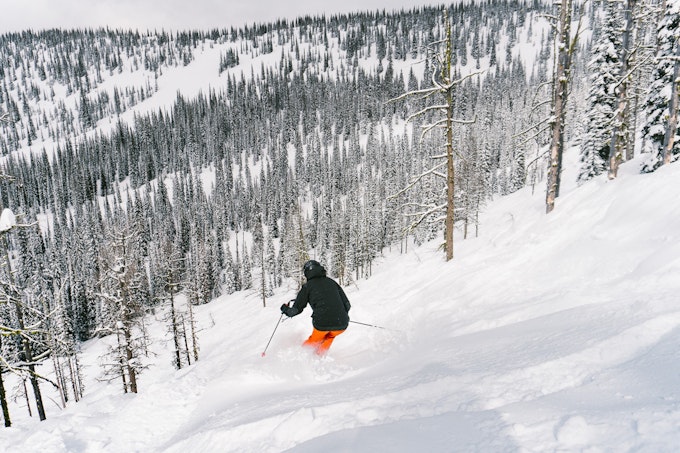
Photo by Kyle Frost // Ski Whitewater Resort
If you're buried in an inbounds avalanche, your survival is a race against the clock. Make it (much, much) easier for rescuers to find you by wearing gear equipped with RECCO.
RECCO reflectors are passive transponders. They echo a signal back to rescuers carrying a detector, helping to pinpoint your location. Over 150 brands sew RECCO reflectors right into jackets, pants, helmets, and backpacks. If you don't have any RECCO-equipped gear, you can purchase attachable reflectors to add to what you have.
For those who often ski in the bowls or remote areas of ski resorts, you and your ski partners might consider carrying a full avalanche kit, including beacons.
Ski With a Friend
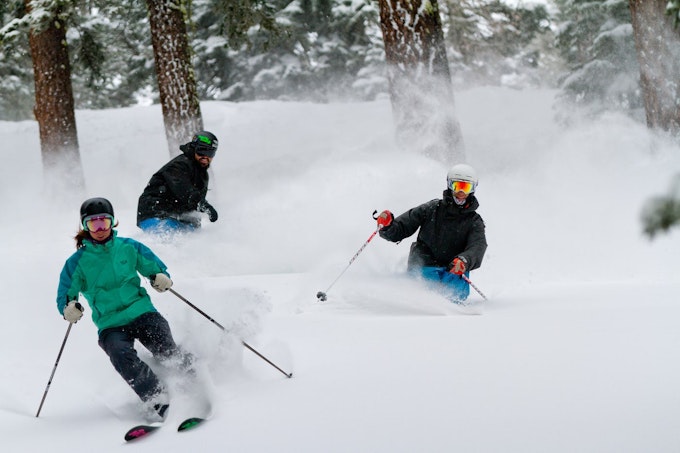
Photo by Northstar California // Ski and Snowboard Northstar
Skiing alone on slopes that may slide is never a good idea, even inbounds. Pair up with a friend or ski partner and hit the slopes together. Not only will you have someone to chat with on the chairlift, but you'll have each other to rely on if things go wrong.
Be sure to ski one at a time down slopes that are at all iffy, and never stand underneath the path of your fellow skier. If they trigger an avalanche, you certainly don't want to be right below it.
Share Your Plans
In the case of at least one inbound avalanche this year, one victim wasn't reported missing until the morning after the avalanche. Increase your luck surface by making sure someone who isn't on the mountain knows where you are.
Tell them when you're going and when you intend to be back. If they don't hear from you, they'll know to start asking around for more information about your safety.
Get Avalanche Training
When you're skiing, your safety is your responsibility. The more you know about snowpack and avalanche behavior, the safer you'll be both in and out of bounds. This winter, take an avalanche awareness class or invest in a more intensive Level 1 course.
Make use of the beacon parks available at many ski resorts to keep your skills sharp. Ski or board with people you trust, especially in avalanche areas, and be cautious. That chute may look amazing, but it is worth your life? Get the education you need and make wise decisions.
Now go out there and get some pow.
Cover photo by Kyle Frost