Tips for Seeing/Photographing Wildlife

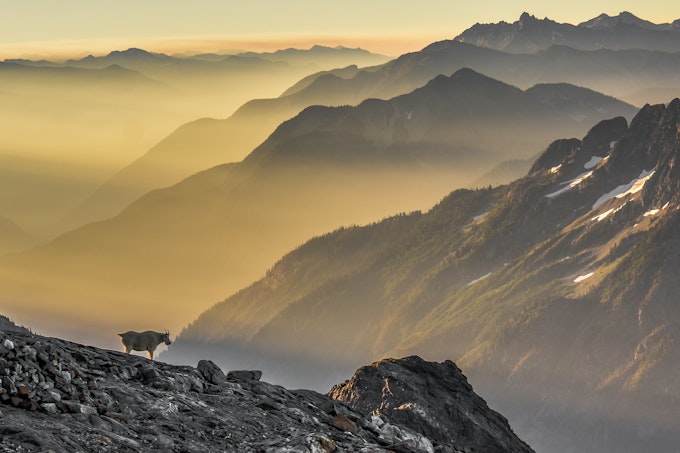
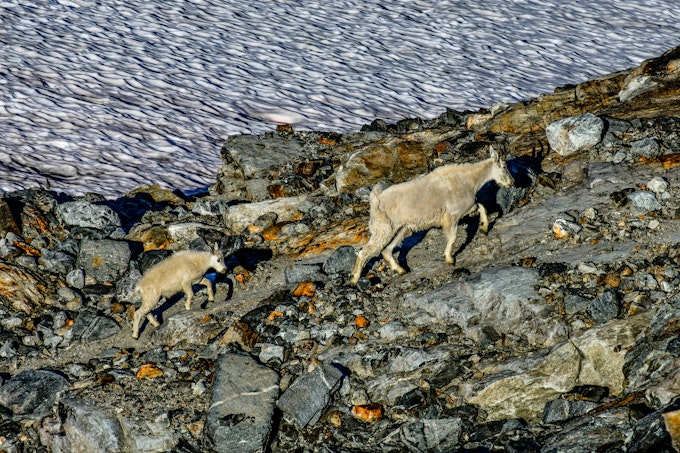
Taken while backpacking in the North Cascades. Many animals are active early in the morning.
Be Respectful
When hiking and being out in nature it is always important be respectful of nature and wildlife. Keep a safe distance from wildlife. Never approach wildlife; Admire from a distance (it is recommended that you 50 yards away from any wildlife and 100 yards away from predators and large animals like bears, moose, elk). Use binoculars or if photographing wildlife use a lens that can capture from a distance. Stay quiet as to not to disturb them.
Timing
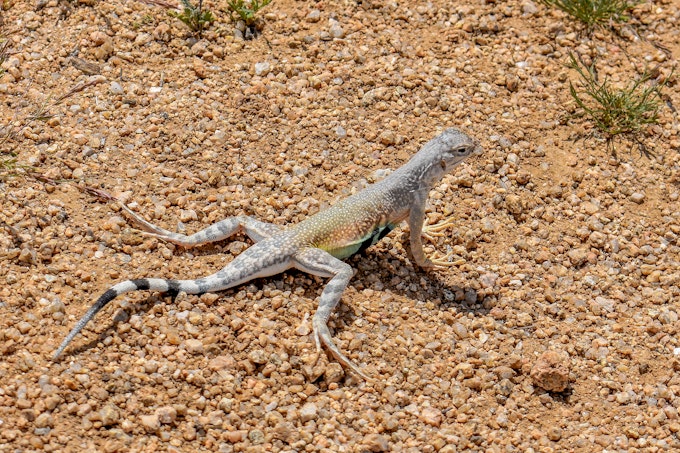
The best times to see wildlife is at dawn or dusk. So get up early or stay late. For some wildlife it’s to avoid predators, for some it’s to get the days best food. Some wildlife don’t like interacting with other animals or humans so they tend to come out when large crowds are not around.
Learn about their habits
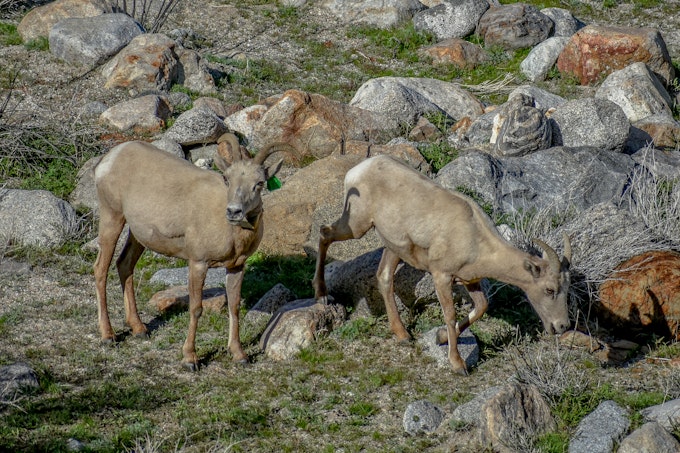
Learn where they tend to be seen. Ask a ranger or read up on trails with great wildlife sightings. Learn when is the best time to see them. Some wildlife are more likely to be seen during their mating season because they gather in groups like Elk or Bighorn Sheep. Some wildlife will be more likely to see in their eating season like bears that need to eat massive amounts of food before they settle down for winter. If looking for migratory wildlife learn their pattern and the best times for you to see them in the area.
Be aware of your surroundings
Wildlife need food and water. Be aware of food and water sources. Water sources are a great place to see wildlife especially if water is limited in the area. Look for signs of wildlife. This can be tracks, feathers, fur, burrows, scat. This can help you determine wheather wildlife is in the area.
Get out there
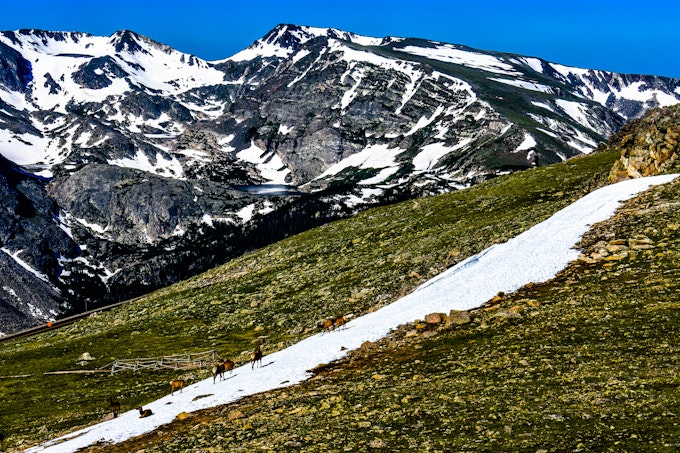
Generally the more you hike away from the trailhead and civilization the more likely you are to encounter wildlife. I recommend backpacking. Hike out and stay the night. If you are not a backpacker then try long day hikes. Go where less people are. Hike out further than the average person. Do trails that are not super popular. Many animals dislike crowds.
Leave your furry friends at home
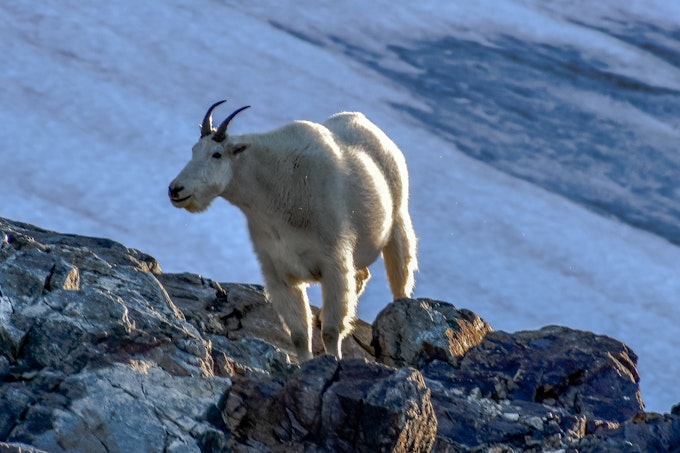
As much as some people don’t like hearing this, dogs scare wildlife. Even if they are a well behaved or a small dog they give off a scent that is a predator scent to some wildlife. This is one of the reasons dogs are not allowed on many trails.
You can always see more of my photography on my instagram