Photos: Traveling the World's Longest Train Route

When the railroad connection between Yiwu, China and Madrid, Spain went into service in 2014, it became, according to some, the longest railroad route in the world. Technically, the route was designed for freight. But there are myriad passenger trains that roughly follow the route, an 8,000-mile journey that takes about 3 weeks one-way and traverses many of the most spectacular human and natural landscapes in Europe and Asia.
From end to end, the route from Yiwu stretches north to Manchuria via Beijing before it turns east for Europe. From there, it crosses the steppes of Russia, vast grasslands that may have kept the planet cool during its Ice Age cycles, to Moscow via Lake Baikal, the world's deepest lake. The route finds Madrid via many of Europe's cultural and historical hubs, including Berlin and Paris, but with a well-developed railroad network, this trip could easily meander throughout the region.
By almost any route, travelers who take the time to stop in key destinations along the way are certainly in for a treat. Plus, its far gentler on the planet than a round-trip flight. (In fact, it isn’t even close. By freely available carbon footprint calculators, this railroad journey is more carbon efficient by a factor of 20.)
Feast your eyes!
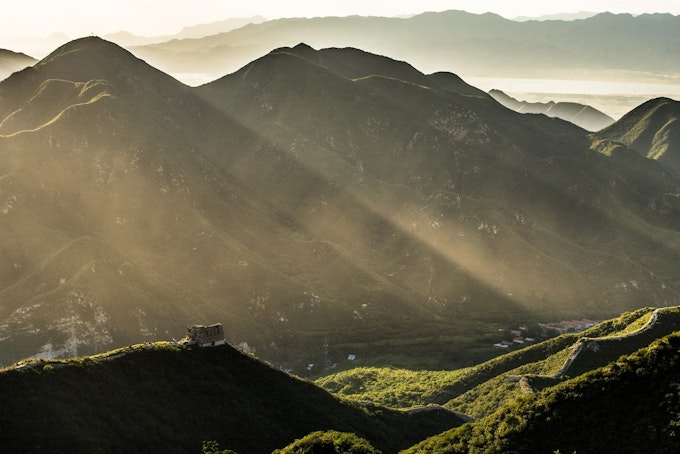
The Chenjiapu Great Wall. Kyle Obermann.
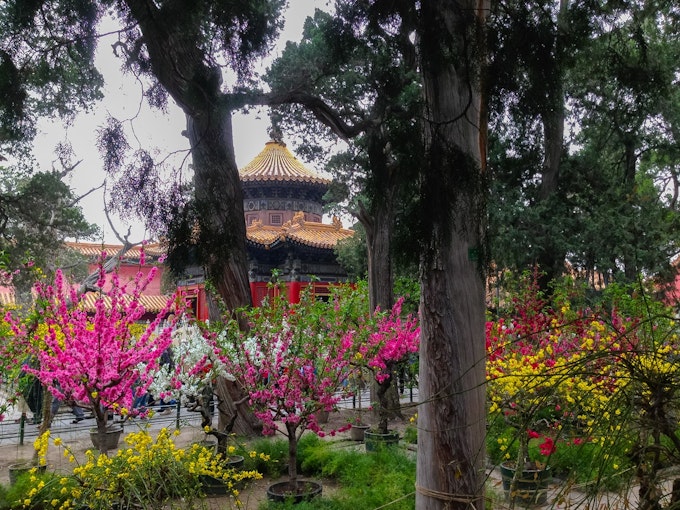
The Forbidden City, Beijing, China. Lucas Pols.
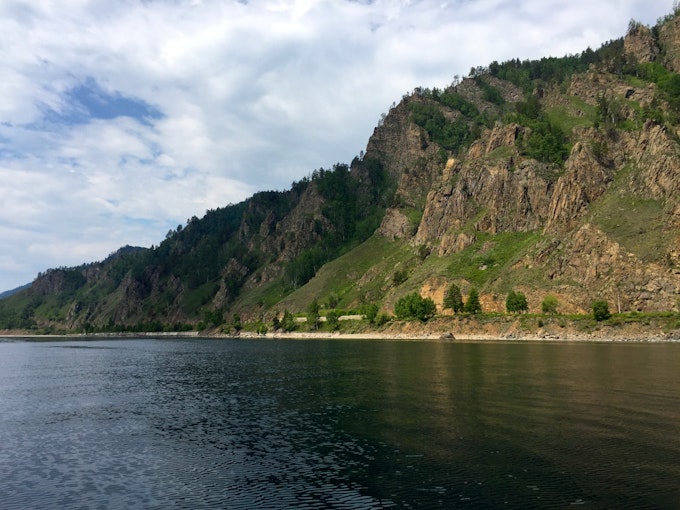
Lake Baikal, Russia. Rachel Davidson.
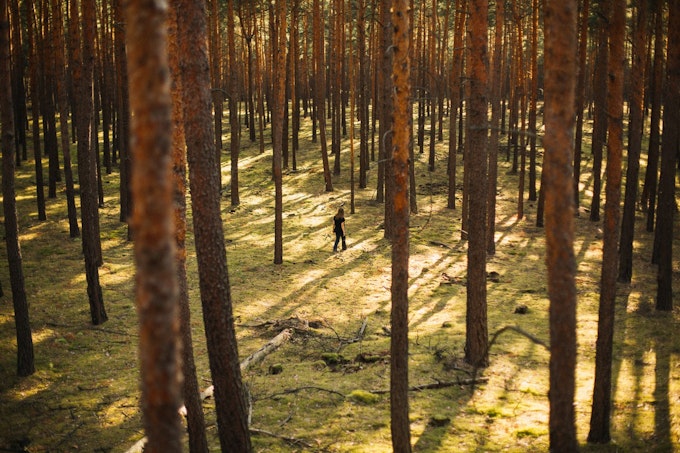
The woods near Brandenburg, Germany, just outside of Berlin. Julia Nimke.
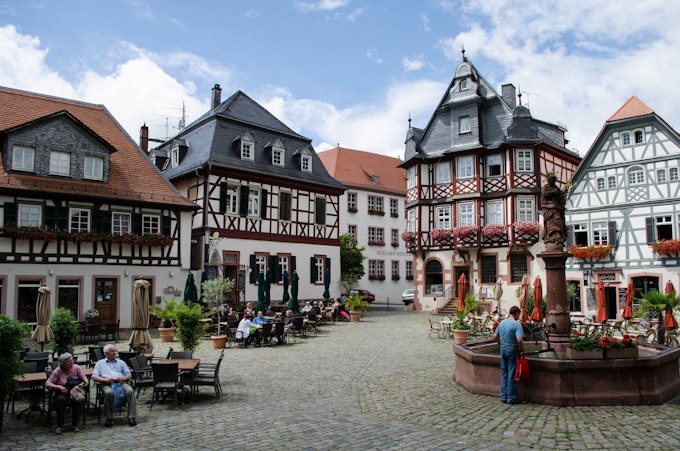
Bavarian-style lodging in Heppenheim, Germany. Danielle Sharples.
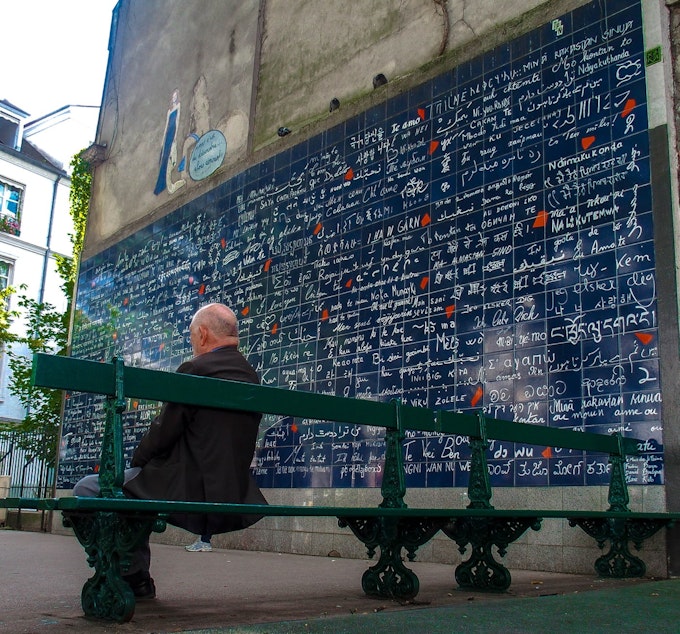
Le mur des je t'aime (Wall of Love) in Paris, France. Michael Gabbert.
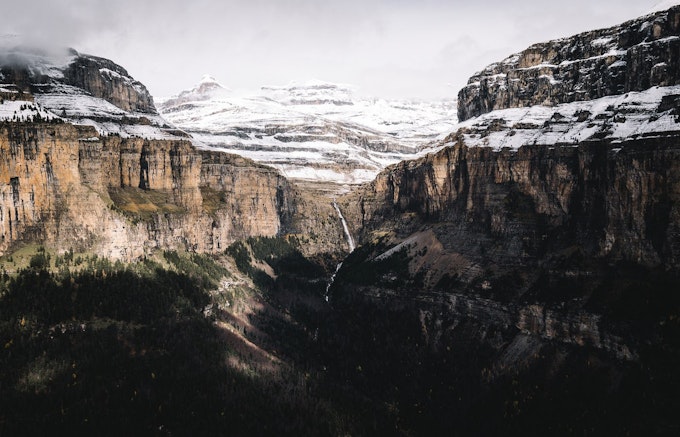
The Ordessa Valley in the Spanish Pyrenees. Kendall Plant.
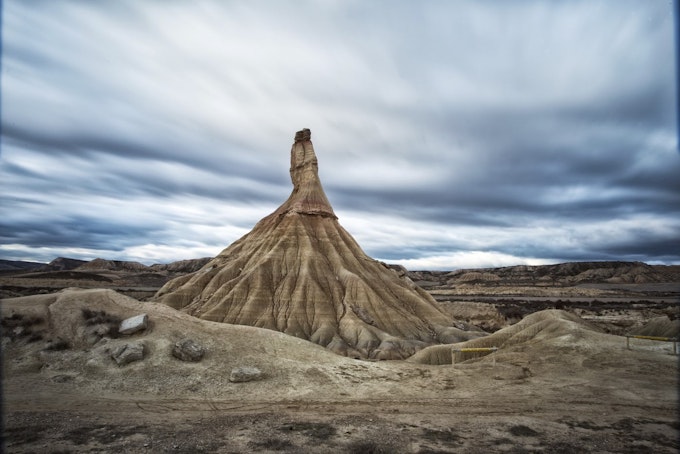
The otherworldly desert landscape in the Bardenas Reales, northeast of Madrid, is reminiscent of the American West. Hebert Ibañez.